Real Estate News You Can Use

You’ll find our blog to be a wealth of information, covering everything from local market statistics and home values to community happenings. That’s because we care about the community and want to help you find your place in it. Please reach out if you have any questions at all. We’d love to talk with you!

July 31, 2019

How to Increase Your Equity Over the Next 5 Years

Many of the questions currently surrounding the real estate industry focus on home prices and where they are heading. The most recent Home Price Expectation Survey (HPES) helps target these projected answers.

Here are the results from the Q2 2019 Survey:

  • Home values will appreciate by 4.1% in 2019
  • The average annual appreciation will be 3.2% over the next 5 years
  • The cumulative appreciation will be 16.8% by 2023
  • Even experts representing the most “bearish” quartile of the survey project a cumulative appreciation of over 6.7% by 2023

What does this mean for you?

A substantial portion of family wealth comes from home equity. As the value of a family’s home (an asset) increases, so does their equity.

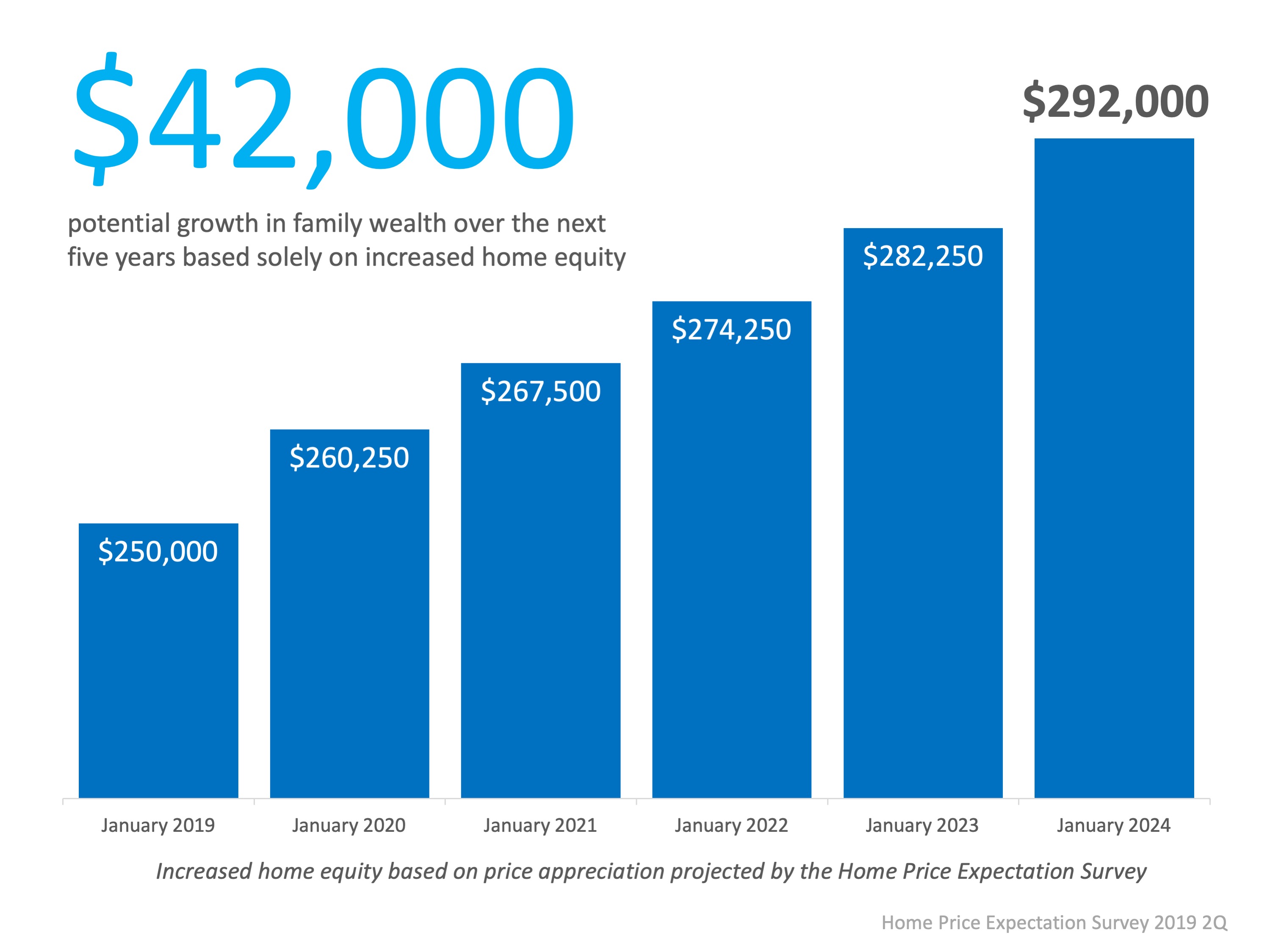
Using the projections from the HPES, here is a look at the potential equity a family could earn over the next five years if they purchased a $250,000 home in January of 2019:How to Increase Your Equity Over the Next 5 Years | MyKCMBased on gains in home equity, their family wealth could increase by $42,000 over that five-year period.

Bottom Line

If you don’t yet own a home, now may be the time to purchase. Owning or moving up to your dream home could allow you to ride the increase in equity of a growing asset.

Home Price Expectation surveyEvery quarter, Pulsenomics surveys a distinguished panel of over 100 economists, investment strategists, and housing market analysts regarding their 5-year expectations for future home prices in the United States.
Posted in Selling
July 31, 2019

3 Expert Insights On Inventory In The Current Market

The current housing landscape presents greater home values, low interest rates, and high buyer demand. All of these factors point to the strong market forecasted to continue throughout the rest of the year.

There is, however, one thing that may cause the industry to tap the brakes: an overall lack of housing inventory. Buyer demand naturally increases during the summer months, but the current supply is not keeping up.

Here is a look at what a few industry experts have to say:

Lawrence Yun, Chief Economist at National Association of Realtors

“Imbalance persists for mid-to-lower priced homes with solid demand and insufficient supply, which is consequently pushing up home prices.”

Mark Fleming, Chief Economist of First American

“Market conditions are ripe for increasing home sales with one glaring exception. The supply of homes for sale remains tight, keeping existing home sales below potential.”

Danielle Hale, Chief Economist of Realtor.com

“We’re not seeing as many new listings come up on the market…It was only 18 months ago that the number of homes for sale hit its lowest level in recorded history and sparked the fiercest competition among buyers we’ve ever seen.”

Bottom Line

If you’re thinking of selling, now may be the time. Demand for your house will be strong during a period when there is very little competition, ideally leading to a quick sale and a great return on your investment.

Posted in Selling
July 25, 2019

What a Difference a Year Makes for Sellers

Over the last few years, many sellers have been hesitant to put their houses on the market because they feared not being able to find another home to buy.

We’ve reported on inventory shortages in the past, and it’s been a constant concern for potential buyers throughout recent years. New research shows the inventory concern is starting to decrease among potential buyers.

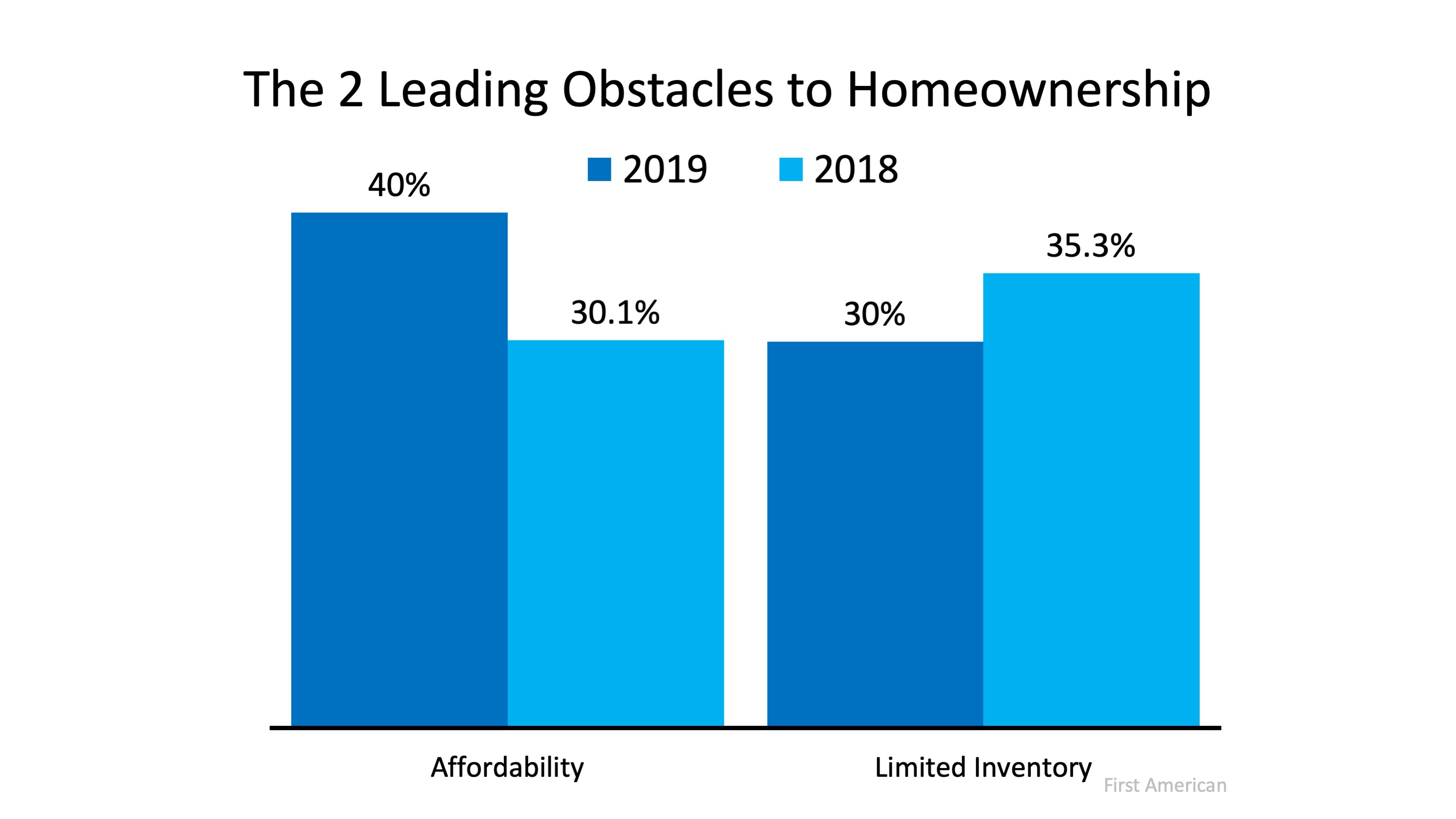
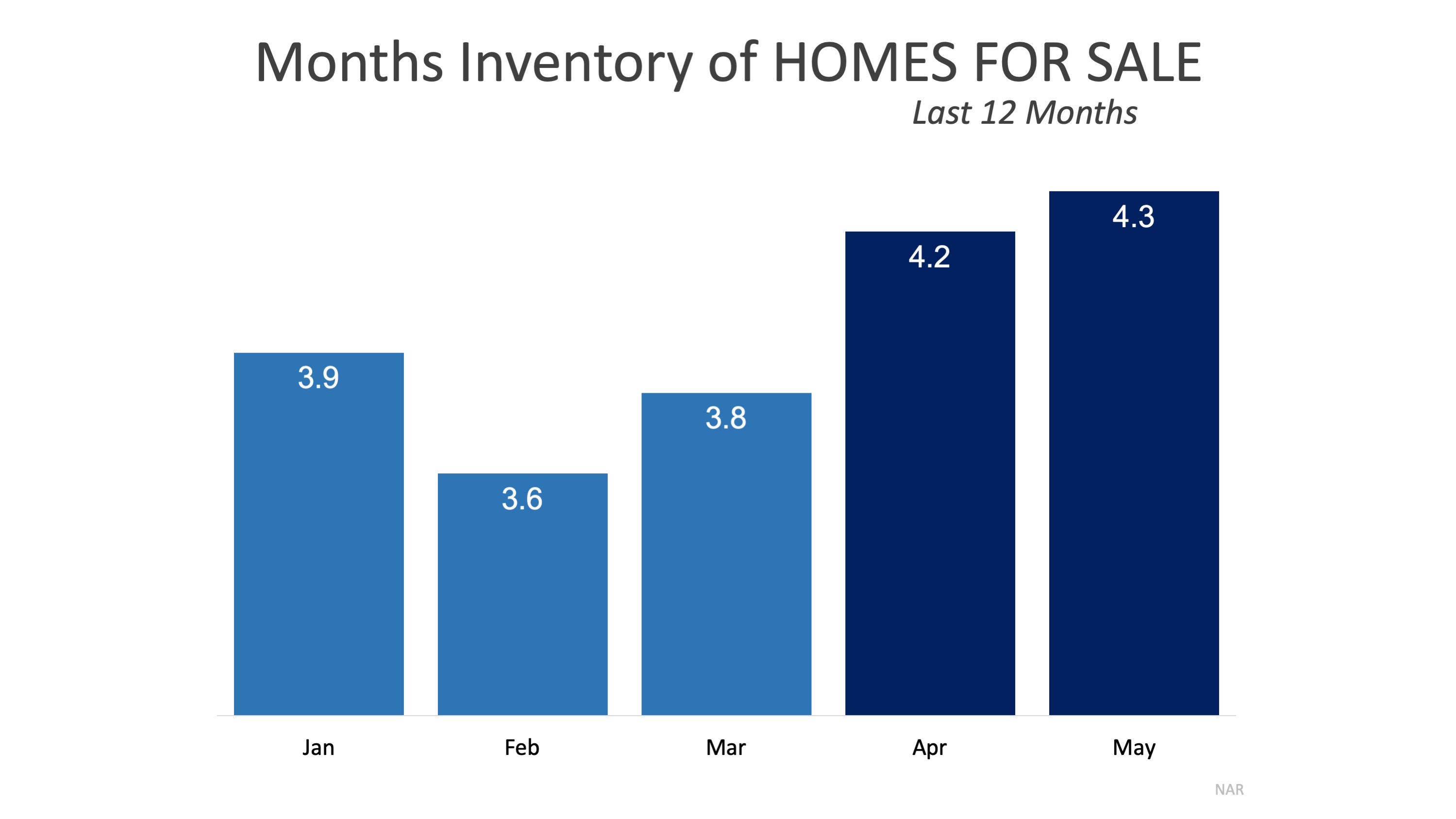
According to First American, the two leading obstacles to homeownership that buyers feel today are Affordability and Limited Inventory. This means the feeling that homes are less affordable has risen, while the fear of limited inventory has decreased, delivering a wealth of good news for sellers.What a Difference a Year Makes for Sellers | MyKCMAt the same time, over the past 12 months, we’ve seen a steady month-over-month increase in the number of homes coming to market for purchase. In the past, the lack of listings and available inventory slowed down the real estate market. This recent increase in current inventory has many buyers and sellers now thinking it is time to make their move – and rightfully so! For the last two months, we’ve seen over 4 months of inventory become available for sale, a promising number that’s been slowly increasing this year and creating more buying opportunities.What a Difference a Year Makes for Sellers | MyKCMTo further support the idea of an improving real estate market, Sam Khater, the Chief Economist at Freddie Mac says,

“…In the near-term, we expect the housing market to continue to improve from both a sales and price perspective.” 

Many experts, like Sam, believe the second half of 2019 will drive a stronger market than we saw at the beginning of the year. This is great news for homeowners who have put off getting their houses on the market and are now ready to make a move.

Bottom Line

What a difference we’ve seen over the course of this year! If you’re thinking of selling, now is the time as inventory is on the rise.

Posted in Selling
July 25, 2019

Should I Refinance My Home?

With the recent lower interest rates, many homeowners are wondering if they should refinance.

To decide if refinancing is the best option for your family, start by asking yourself these questions:

Why do you want to refinance?

There are many reasons to refinance, but here are three of the most common ones:

  1. Lower your interest rate and payment – This is the most popular reason. If you have a 5% interest rate or higher, it might be worth seeing if you can take advantage of the current lower interest rates, hovering below 4%, to reduce your monthly payment and overall cost of the loan.
  2. Shorten the term of your loan – If you have a 30-year loan, it may be advantageous to change it to a 15 or 20-year loan to pay off your mortgage sooner.
  3. Cash-out refinance – With home prices increasing, you might have enough equity to cash out and invest in something else, like your children’s education, a vacation home, or a new business.

Once you know why you might want to refinance, ask yourself the next question:

How much is it going to cost?

There are fees and closing costs involved in refinancing, and Lenders Network explains:

“If you were to refinance that loan into a new loan, total closing costs will run between 2%-4% of the loan amount.”

They also explain that there are options for no-cost refinance loans, but be on the lookout:

“A no-cost refinance loan is when the lender pays the closing costs for the borrower. However, you should be aware that the lender makes up this money from other aspects of the mortgage. Usually pay charging a slightly higher interest rate so they can make the money back.”

If you’re comfortable with the costs of refinancing, then ask yourself one more question:

Is it worth it?

To answer this one, we’ll use an example. Let’s assume you have a $200,000 home loan. A 4% refinance cost will be $10,000. If you want to lower your interest rate from 6% to 4%,  then refinancing is going to save you $244 per month. To break even ($10,000/$244), you need to continue owning your home for over 40 months.

Now that you know how the math shakes out, think about how much longer you’d like to own your current home. If you plan to stay for more than 3 years, then maybe it is advantageous for you to refinance.

If, however, your current home does not fulfill your present needs, you might want to consider using your potential refinance costs for a down payment on a new move-up home. You will still get a lower interest rate than the one you have on your current house, and with the equity you’ve already built, you can finally purchase the home of your dreams.

Bottom Line

There are many opportunities for growth in the current real estate market. To find out what’s right for your family, let’s get together to help you understand your options and guide you toward the best decision.

Posted in Selling
July 25, 2019

How to Present an Offer that Stands Out

Present an offer to land your dream home by following these three key tips. Let’s work together to make sure your offer stands out from the crowd.

Posted in Buying
July 25, 2019

The Surprising Profile of the Real Estate Investor

Over 10% of all residential homes are purchased by investors, and that number continues to rise. Who are these investors?

Many have speculated that the large institutional conglomerates such as Blackstone, American Homes 4 Rent, and Colony Starwood dominate investor purchases. However, a special report on investor home buying by CoreLogic, Don’t Call it a Comeback: Housing Investors Have Been Here for Years, shows this is not the case.

Ralph McLaughlin, CoreLogic’s Deputy Chief Economist and author of the report, explained his findings at the recent National Association of Real Estate Editors conference in Austin:

“Investor buying activity in the U.S. is at record highs. And our records go back confidently, about 20 years…

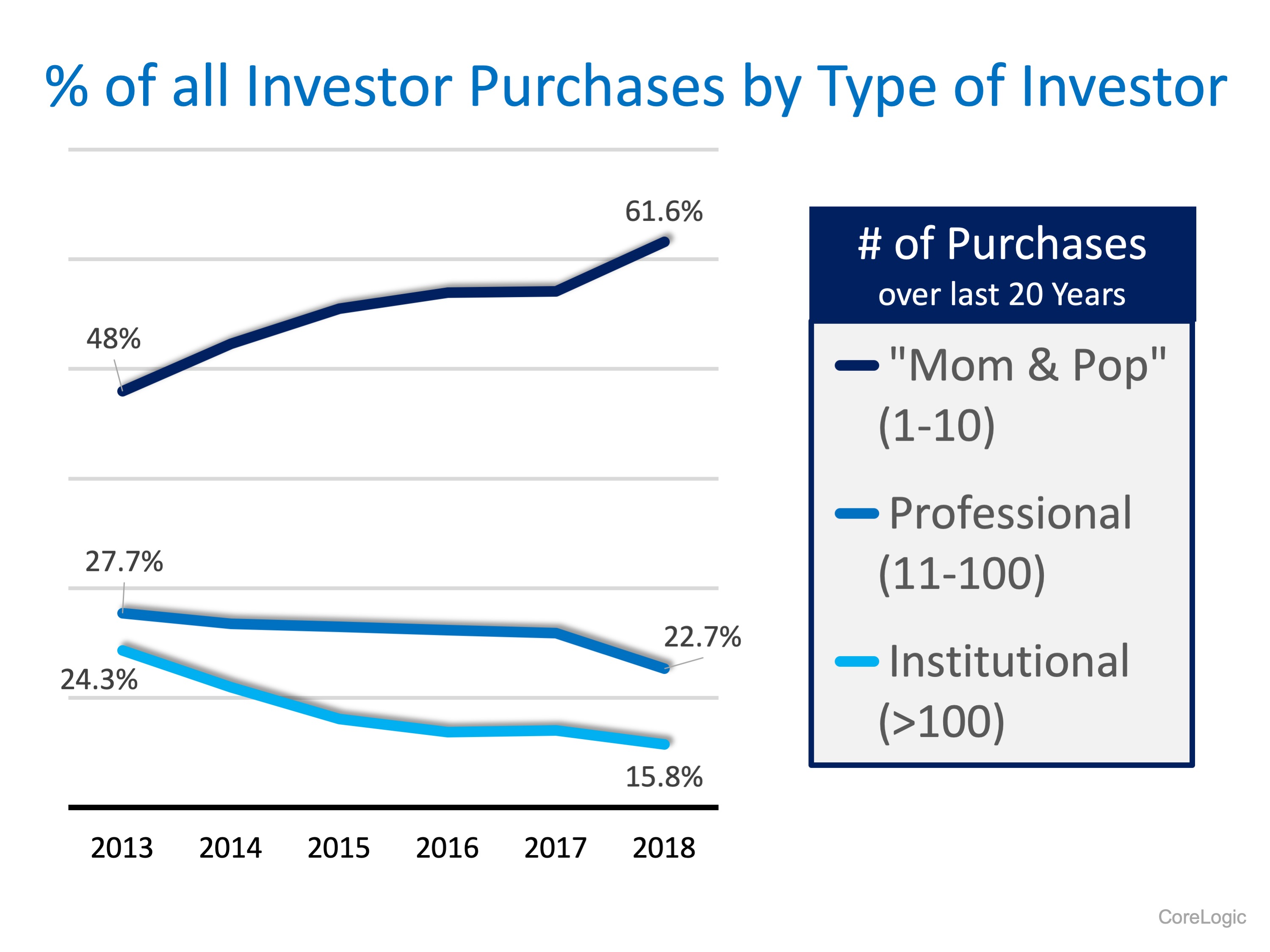
What’s going on and why? Well, it turns out, it’s not the big institutional guys that are leading the increase in home buying. It’s actually the smaller guys. It’s those that have bought between one and ten properties over this 20-year period, they’re the ones that are really leading the increase in investor home buying.”

Here is the breakdown of the percentage of purchasers by type of investor over the last six years according to the report:The Surprising Profile of the Real Estate Investor | MyKCMAs the graph shows, the percentage of “Mom & Pop” investors is currently dominating the number of homes purchased by investors, as the percentage of homes purchased by both professional and institutional investors is falling.

Bottom Line

Most houses purchased by an investor are bought by small investors looking to diversify their financial portfolio by adding a real estate component. If you are investing in real estate as either a landlord or someone who fixes-up and flips the house, let’s chat about the ways you can build or liquidate your current portfolio of properties.

Posted in Buying
July 25, 2019

Should I Put My Home Up For Sale This Summer?Should I Put My Home Up For Sale This Summer?

The number of homes for sale has been increasing since February 2019. If you're thinking of selling, let's get together to chat about how you can take advantage of the market this summer!

Posted in Selling
July 25, 2019

Mid-Year Housing Market Update: Three Things to Know Today

Shifting trends and industry-leading research are pointing toward some valuable projections about the status of the housing market for the rest of the year.

If you’re thinking of buying or selling, or if you just want to know what experts are saying is on the horizon, here are the top three things to put on your radar as we head into the coming months:

  1. Home prices are appreciating at a more normal rate: Home prices have been appreciating for about ten years now. Experts at the Home Price Expectation Survey, Mortgage Bankers Association, Freddie Mac, and Fannie Mae are forecasting continued growth throughout the next year, although it should be leveling-off to normal appreciation (3.6%), as we move into 2020.
  2. Interest rates are low: Over the past 30 years, the average mortgage rate in the United States has been 8.27%, and rates even peaked as high as 18% in the 1980s. Today, at 3.81%, the rate is considerably lower than the historical 30-year average. Although experts predict it may climb into the low 4% range in the near future, that’s still remarkably lower than our running average, suggesting a great time to get more for your money over the life of your loan.
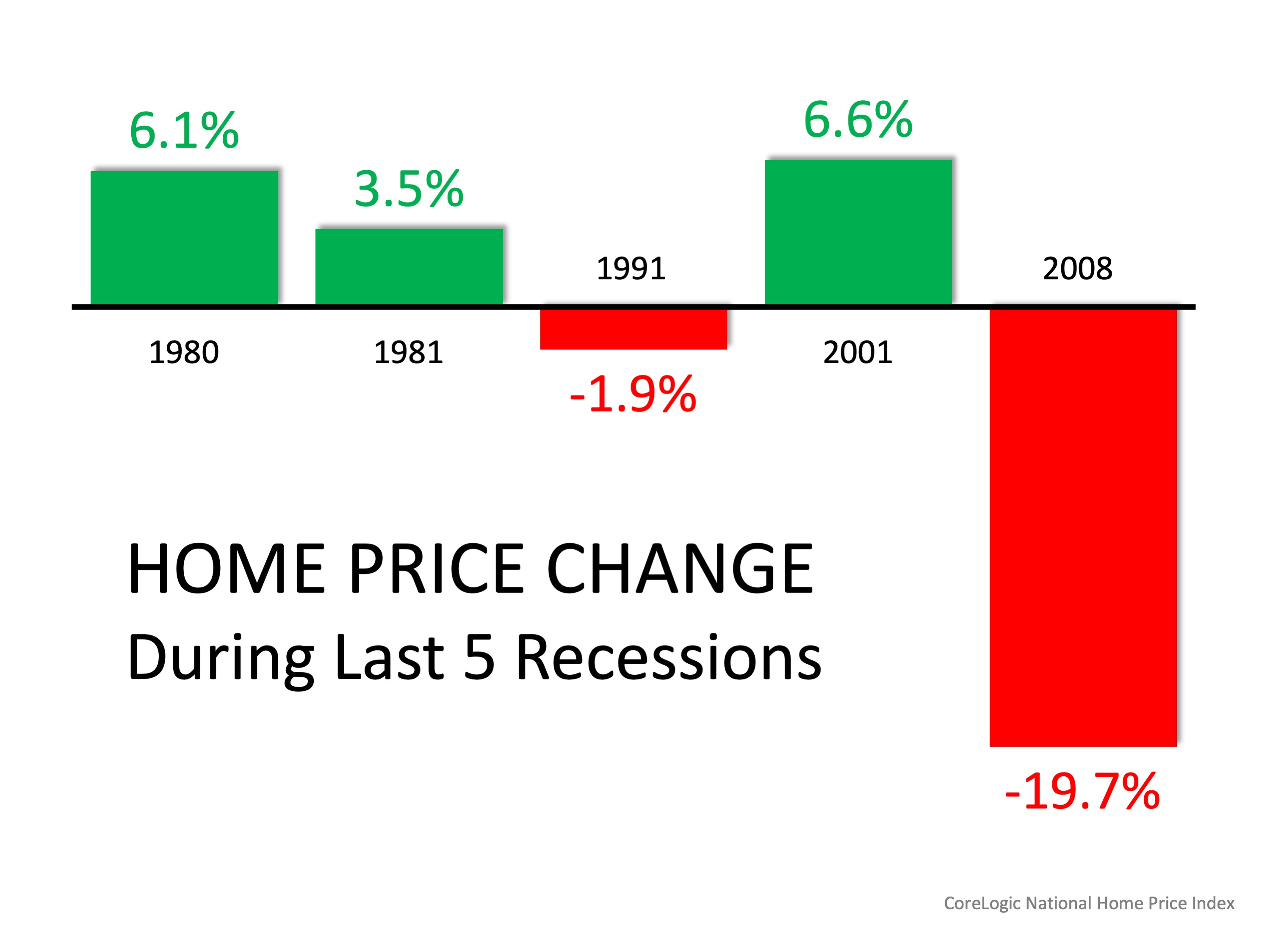
  3. An impending recession does not mean there will be a housing crash: Although expert research studies such as those found in the Duke Survey of American CFOs and the National Association of Business Economics, are pointing toward a recession beginning within the next 18 months, a potential recession isn’t expected to be driven by the housing industry. That means we likely won’t experience a devastating housing crash like the country felt in 2008. Expert financial analyst Morgan Housel tweeted:

“An interesting thing is the widespread assumption that the next recession will be as bad as 2008. Natural to think that way, but, statistically, highly unlikely. Could be over before you realized it began.”

In fact, during 3 of the 5 last U.S. recessions, housing prices actually appreciated:Mid-Year Housing Market Update: Three Things to Know Today | MyKCM

Bottom Line

With prices appreciating and low interest rates available, it’s a perfect time to buy or sell a home. Let’s get together to discuss how you can take the next step in the exciting journey of homeownership.

Posted in Buying, Selling
July 2, 2019

Americans Rank Real Estate Best Investment for 6 Years Running! [INFOGRAPHIC]

Americans Rank Real Estate Best Investment For 6 Years Running! [INFOGRAPHIC] | MyKCM

Some Highlights:

  • Real estate has outranked stocks/mutual funds, gold, savings accounts/CDs, and bonds as the best long-term investment among Americans for the last 6 years.
  • Stock owners are more positive about real estate than stocks as an investment.
  • Of the 4 listed, real estate is the only investment you can also live in!
Posted in Buying, Selling
July 2, 2019

Young First-Time Buyers Are Saving for Their Dream Homes

Young buyers (Millennials & Gen Z) have waited longer than previous generations to enter the housing market for their first home. However, this hasn’t stopped them from dreaming about the home they will eventually buy. Many spend hours searching listings and building Pinterest boards of their favorite home features.

According to a survey from Open Listings, 70% of single renters are more likely to spend their Sunday nights swiping through house listings than dating profiles.

All that time window shopping has led 45% of millennials to expect the first home they buy to be their “dream home”! They are willing to wait longer, save more for a larger down payment, and are pickier about the listings they want to tour and the features that they want to see in their first home.

Waiting a little longer to buy a home than their parents or grandparents did has also helped young buyers become more established in their careers prior to making such a large purchase. Lawrence Yun, NAR’s Chief Economist, recently commented,

“Older millennials are now entering the prime earning stages of their careers, and the size and costs of homes they purchase reflect this. Their choices are falling more in line with their Gen X and boomer counterparts.”

In some areas of the country, high competition in the starter home market forces young buyers to wait longer. The extra money they save during that time opens their search to bigger, more expensive homes.

If this trend continues, older millennials will skip the starter home altogether, going straight to a trade-up or premium home instead.

Bottom Line

If you are one of the many young renters planning on buying your first home soon, let’s get together to help determine what type of home will best suit your present and future needs.

Posted in Buying