Real Estate News You Can Use

You’ll find our blog to be a wealth of information, covering everything from local market statistics and home values to community happenings. That’s because we care about the community and want to help you find your place in it. Please reach out if you have any questions at all. We’d love to talk with you!

May 16, 2019

Summer is Coming! Time for a Vacation... Home?

During the summer, many families travel to their favorite vacation destination. What if instead of renting a house or staying in a hotel, you could enjoy a home of your own? If you'd like to make your vacation home dream come true, let's get together to chat!


Posted in Buying
May 16, 2019

What is Really Happening with Home Prices?

Home values have softened over the last twelve months. We are no longer seeing 6-7% annual appreciation levels for the national housing market. The current numbers are closer to 4%. Some have suggested that year-over-year appreciation levels could fall to 3% or less this year.

However, a stronger-than-expected economy and a good spring housing market have changed some opinions. Some analysts are now predicting that home value appreciation may begin to increase as we move forward.

Here are three examples:

Mark Fleming, Chief Economist of First American

“Data on the movement of unadjusted house prices during the early spring home-buying season won’t be available for a few more months, but it’s quite likely that price appreciation will accelerate again.”

CoreLogic’s April “Home Price Insights

“Home prices nationwide, including distressed sales, increased year over year by 3.7% in March 2019 compared with March 2018…The CoreLogic HPI Forecast indicates that home prices will increase by 4.8% on a year-over-year basis from March 2019 to March 2020.”

Pulsenomics’ Quarterly “Home Price Expectation Survey”

  • The 2018 4th Quarter survey called for 3.8% appreciation for 2019.
  • The 2019 1st Quarter survey raised the appreciation projection for this year to 4.3%.

Bottom Line

Price appreciation has slowed over the past year. However, a strong economy and a good housing market have many experts thinking that home values might re-accelerate moderately throughout the rest of this year.

Posted in Buying, Selling
April 30, 2019

New Study Reveals One Surprising Reason for the Inventory Shortage

There has been a great amount written on millennials and their impact on the housing market. However, the headlines often contradict each other. Some claim this generation is becoming the largest share of first-time home buyers, while others claim millennials don’t want to own a home, blaming them for the dip in homeownership rate.

While it is true that millennials have achieved milestones like getting married, having kids, and buying homes later in life than their parents and grandparents did, they are not solely to blame for today’s housing market trends.

Freddie Mac’s Insight Report explored the impact of the Silent and Baby Boomer Generations on the housing market.

If millennials are unable to find a home to buy at a young age like their predecessors, then who is living in those homes?

The answer: Seniors born after 1931 are staying in their homes longer than previous generations, instead choosing to “age in place.”

Freddie Mac found that,

“this trend accounts for about 1.6 million houses held back from the market through 2018, representing about one year’s typical supply of new construction, or more than half of the current shortfall of 2.5 million housing units estimated in December’s Insight.

Older Americans prefer to age in place because they are satisfied with their communities, their homes, and their quality of life.”

According to the National Association of Realtors, inventory of homes for sale is currently at a 3.5-month supply, which means that nationally we are in a seller’s market. A ‘normal’ housing market requires 6-7 months inventory, a level we have not achieved since August 2012.

“The most important fundamental in today’s housing market is the lack of houses for sale. This shortage has been identified as an important barrier to young adults buying their first homes.”

Bottom Line

If you are one of the many seniors who desires to retire in the same area you’ve always lived, you’re not alone. Will your current house fit your needs throughout retirement? If you have any questions about demand for your house, let’s get together to discuss the opportunities available today!

Posted in Buying, Selling
April 30, 2019

Buyer Demand Surging as Spring Market Begins

Last fall, some predicted that the 2019 residential real estate market would be a disaster. There was even belief we might experience a housing crash like the one that occurred during the last decade.

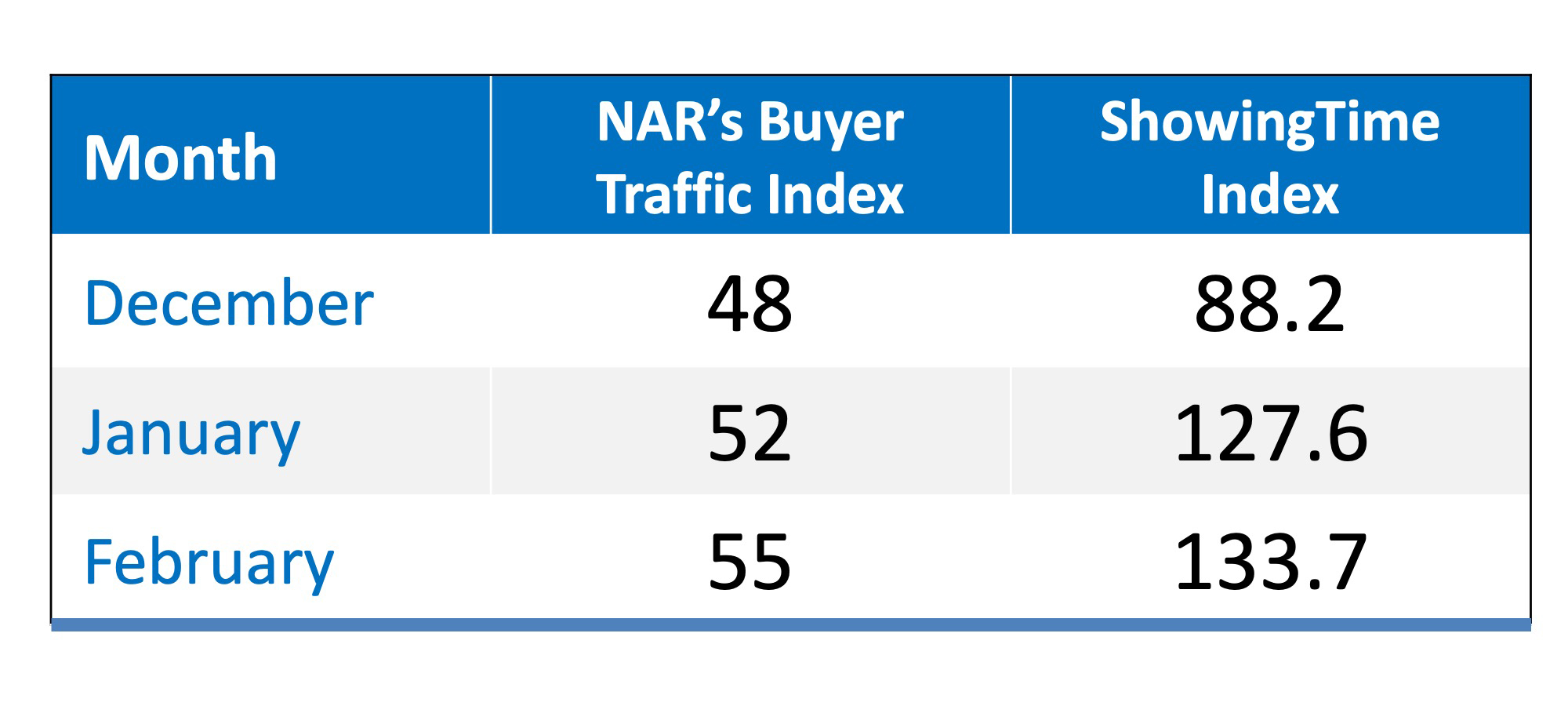
However, according to two separate reports*, buyer demand dramatically increased over the last three months, leading into this spring buyers’ market (the March data is not yet available).

Both the ShowingTime Showing Index and the National Association of REALTORS Buyer Traffic Index show that buyer demand has increased in each of the last three months.

Buyer Demand Surging as Spring Market Begins | MyKCM

Why the increase in demand? Increased buying power.

According to the National Association of Realtors’ Economists’ Outlook Blog, purchasing a home has become more affordable, which has led to increased demand.

“Due to the combination of falling home prices and mortgage rates, the income needed to make an affordable mortgage payment (mortgage no more than 25% of income) on a median-priced home with 10% down payment and 30-year fixed rate mortgage decreased from $60,425 in June 2018 to $53,783 as of February 2019, and the difference of $6,642 represents a gain in buying power because one can afford a home purchase at a lower level of income.”

Bottom Line

It appears the spring buyers’ market is going to be much stronger than many had projected. Whether you are selling or buying, this is important news.


*The methodology behind the indices:

The ShowingTime Showing Index

“The ShowingTime Showing Index® tracks the average number of buyer showings on active residential properties on a monthly basis, a highly reliable leading indicator of current and future demand trends.”

The National Association of REALTORS® Buyer Traffic Index

“In a monthly survey of REALTORS®, NAR asks respondents ‘Compared to the same month last year, how would you rate the past month’s traffic in neighborhood(s) or area(s) where you make most of your sales?’ NAR compiles the responses into an index, where an index above 50 indicates that more respondents reported “stronger” traffic than “weaker” traffic.”

Posted in Buying, Selling
April 30, 2019

Should I Buy a Home Right Now?

Thinking of buying a home? Doing it now instead of waiting could save you thousands of dollars! Let's get together to discuss your options.


Posted in Buying
April 30, 2019

Existing Home Sales Slow to Start Spring [INFOGRAPHIC]

Existing Home Sales Slow to Start Spring [INFOGRAPHIC] | MyKCM

Some Highlights:

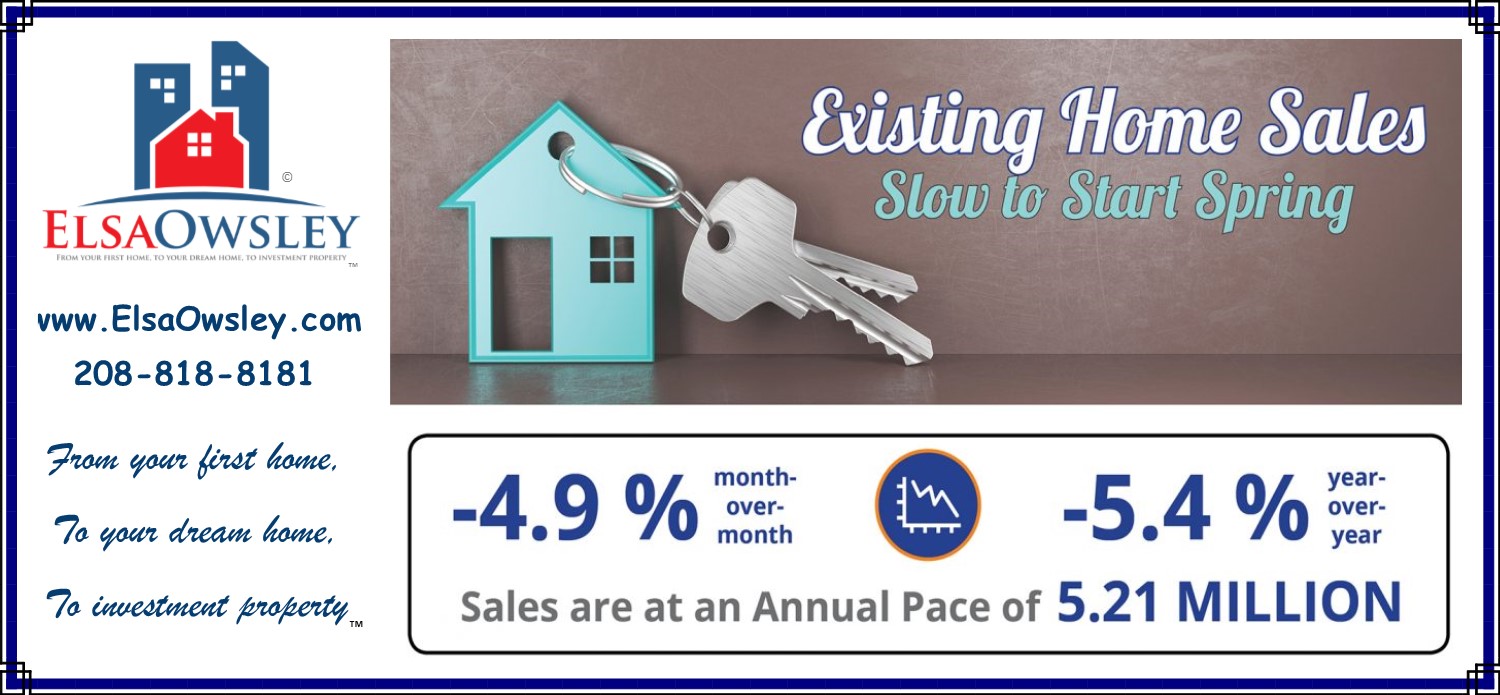
  • Existing Home Sales slowed to an annual pace of 5.21 million home sales in March.
  • Low inventory levels are still impacting home sales! The current month’s supply of homes for sale is 3.9-months.
  • Median home prices were up 3.8% over last March at $259,400. This marked the 85th consecutive month with year-over-year price gains.
Posted in Buying, Selling
April 30, 2019

Renters Paying Substantially More While Owning Costs Less

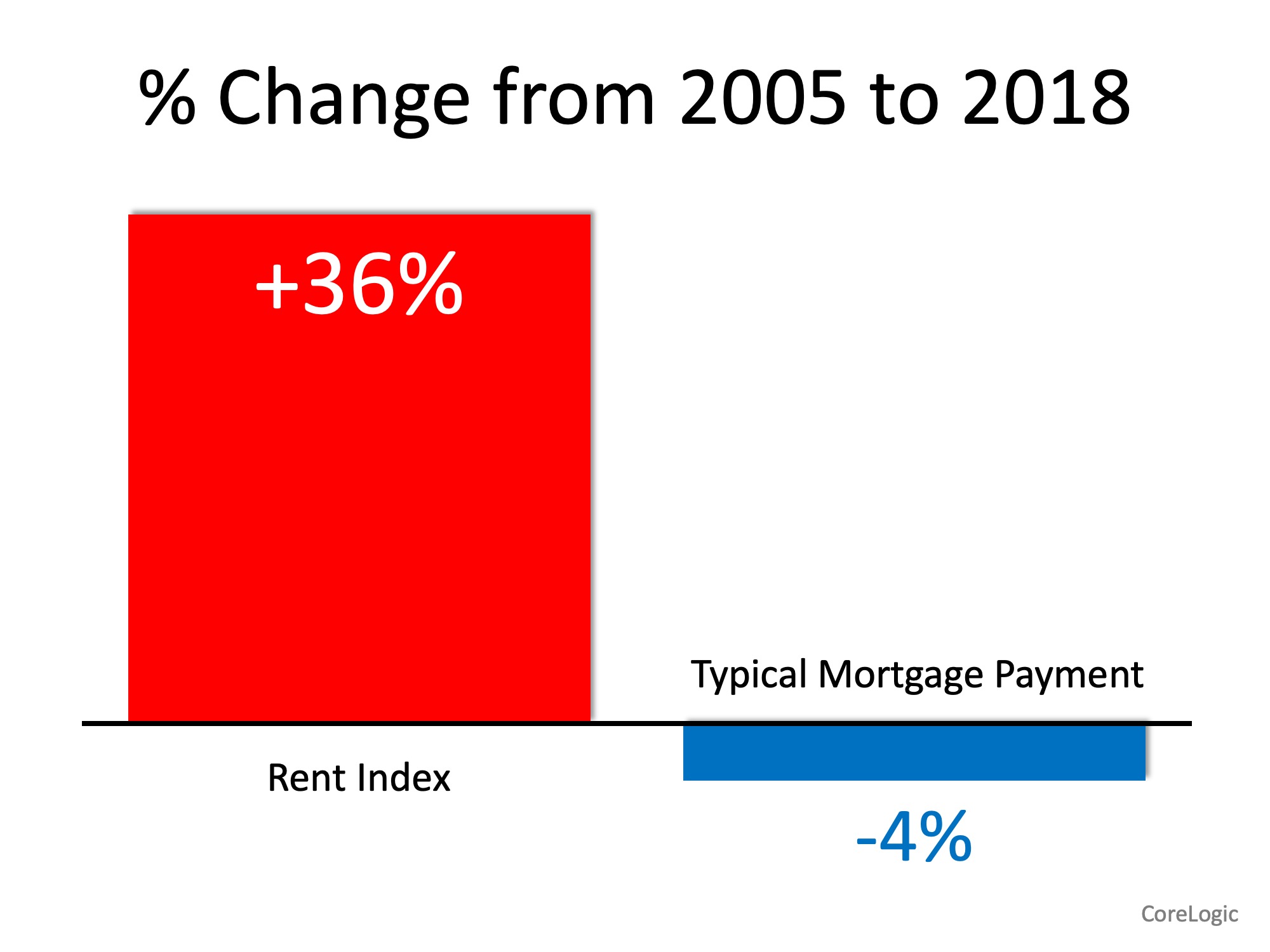
In a recent Insights Blog, CoreLogic reported that rent prices have skyrocketed since 2005. Meanwhile, the typical mortgage payment has actually decreased.

“CoreLogic’s national rent index was up 36% in December 2018 compared with December 2005, while the typical mortgage payment was down 4% over that period.”

Renters Paying Substantially More While Owning Costs Less | MyKCM

Why the difference between the costs of renting versus owning?

It makes sense that rents have risen. However, how did mortgage payments decrease? CoreLogic explained:

“It’s mainly because mortgage rates back in December 2005 were significantly higher, averaging 6.3% for a fixed-rate 30-year loan, compared with 4.6% in December 2018.

The national median sale price in December 2005 – $190,000 – was lower than the $220,305 median in December 2018, but because of higher mortgage rates in 2005 the typical monthly mortgage payment was slightly higher back then – $941 – compared with $904 in December 2018.”

Additionally, a recent report by the National Association of Realtors (NAR) showed that purchasing a home requires less of your monthly paycheck.

According to the Economists’ Outlook Blog, NAR’s February 2019 Housing Affordability Index showed that the “percentage of income needed” to pay the typical mortgage has decreased the last three months.

  • November – 17.3%
  • December – 16.9%
  • January – 16.2%
  • February – 15.9%

Bottom Line

What does this all mean to the current housing market? We think First American said it best in a post last week:

“The mortgage rate-driven affordability surge has arrived just in time… Rising affordability has already benefited home buyers and, if the lower rate environment persists, we’re in for a great spring home-buying season.”

Posted in Buying
April 30, 2019

How Quickly Can You Save Your Down Payment?

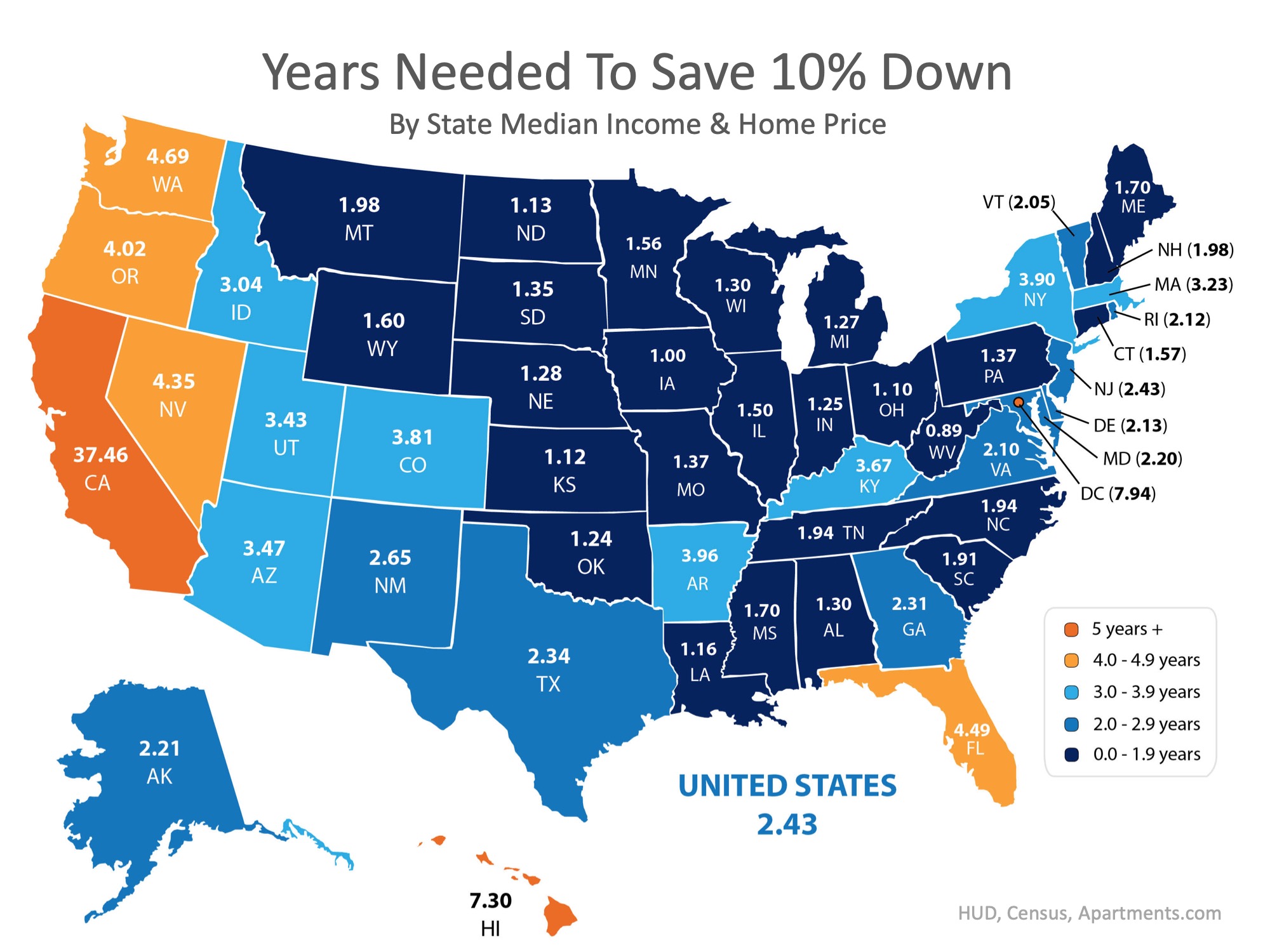
Saving for a down payment is often the biggest hurdle for a first-time homebuyer. Depending on where you live, median income, median rents, and home prices all vary. So, we set out to find out how long it would take to save for a down payment in each state.

Using data from HUD, Census and Apartment List, we determined how long it would take, nationwide, for a first-time buyer to save enough money for a down payment on their dream home. There is a long-standing ‘rule’ that a household should not pay more than 28% of their income on their monthly housing expense.

By determining the percentage of income spent renting in each state, and the amount needed for a 10% down payment, we were able to establish how long (in years) it would take for an average resident to save enough money to buy a home of their own.

According to the data, residents in Kansas can save for a down payment the quickest, doing so in just over 1 year (1.12). Below is a map that was created using the data for each state:

How Quickly Can You Save Your Down Payment? | MyKCM

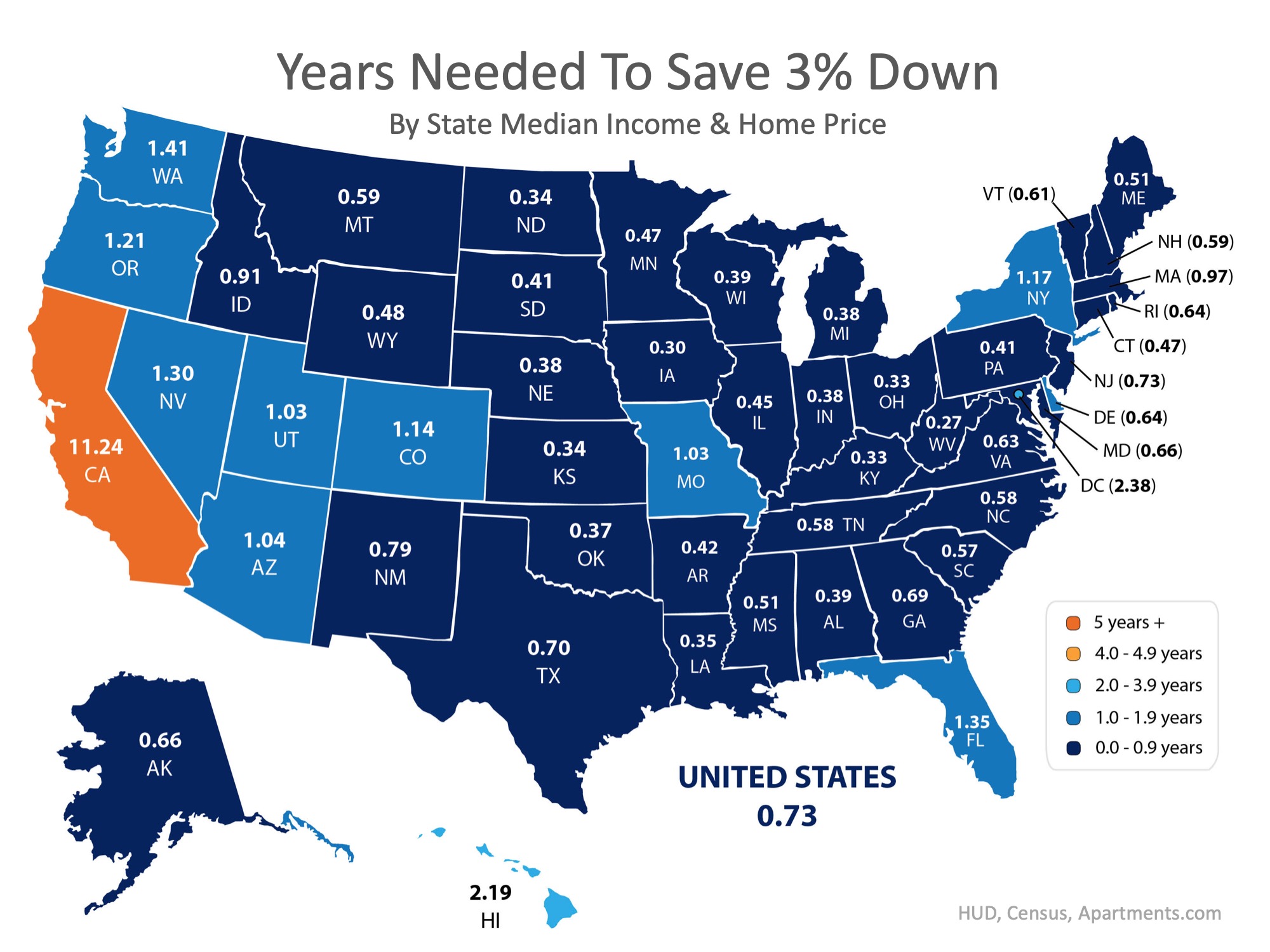
What if you only needed to save 3%?

What if you were able to take advantage of one of Freddie Mac’s or Fannie Mae’s 3%-down programs? Suddenly, saving for a down payment no longer takes 2 to 5 years, but becomes possible in less than a year in most states, as shown on the map below.

How Quickly Can You Save Your Down Payment? | MyKCM

Bottom Line

Whether you have just begun to save for a down payment or have been saving for years, you may be closer to your dream home than you think! Let’s get together to help you evaluate your ability to buy today.

Posted in Buying
April 30, 2019

What Would Make You Sell Your House?

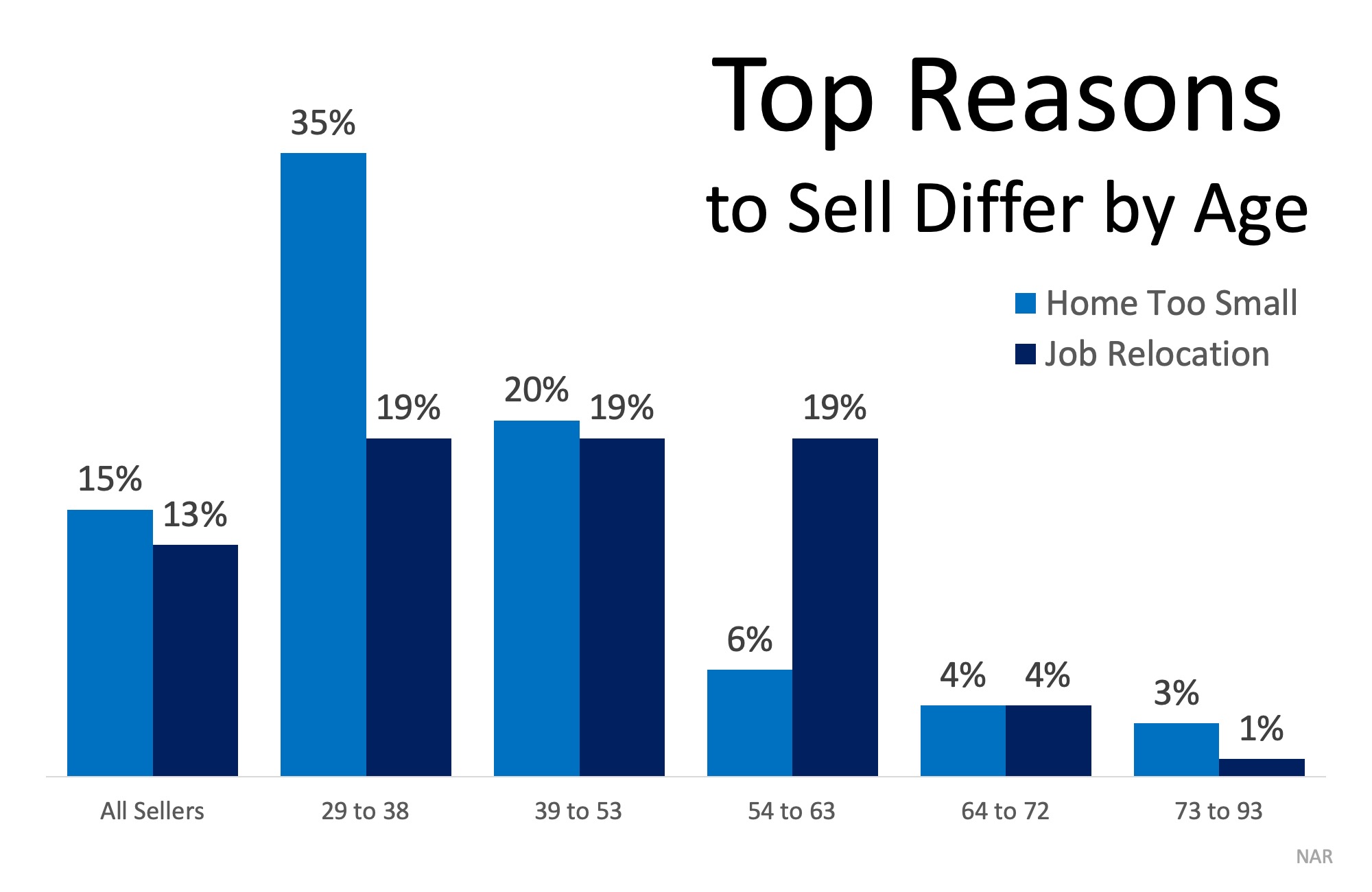
There are many reasons why a homeowner decides to sell their house and move. The latest Generational Trends Report from the National Association of Realtors asked recent home sellers to share their reason for moving.

The younger the respondents, the more likely their top response centered around needing a larger home (ages 29 to 53). Relocating for a job was the top reason for those ages 54 to 63 and the second most popular response for those under 53. The chart below shows the breakdown for these two reasons.

What Would Make You Sell Your House? | MyKCM

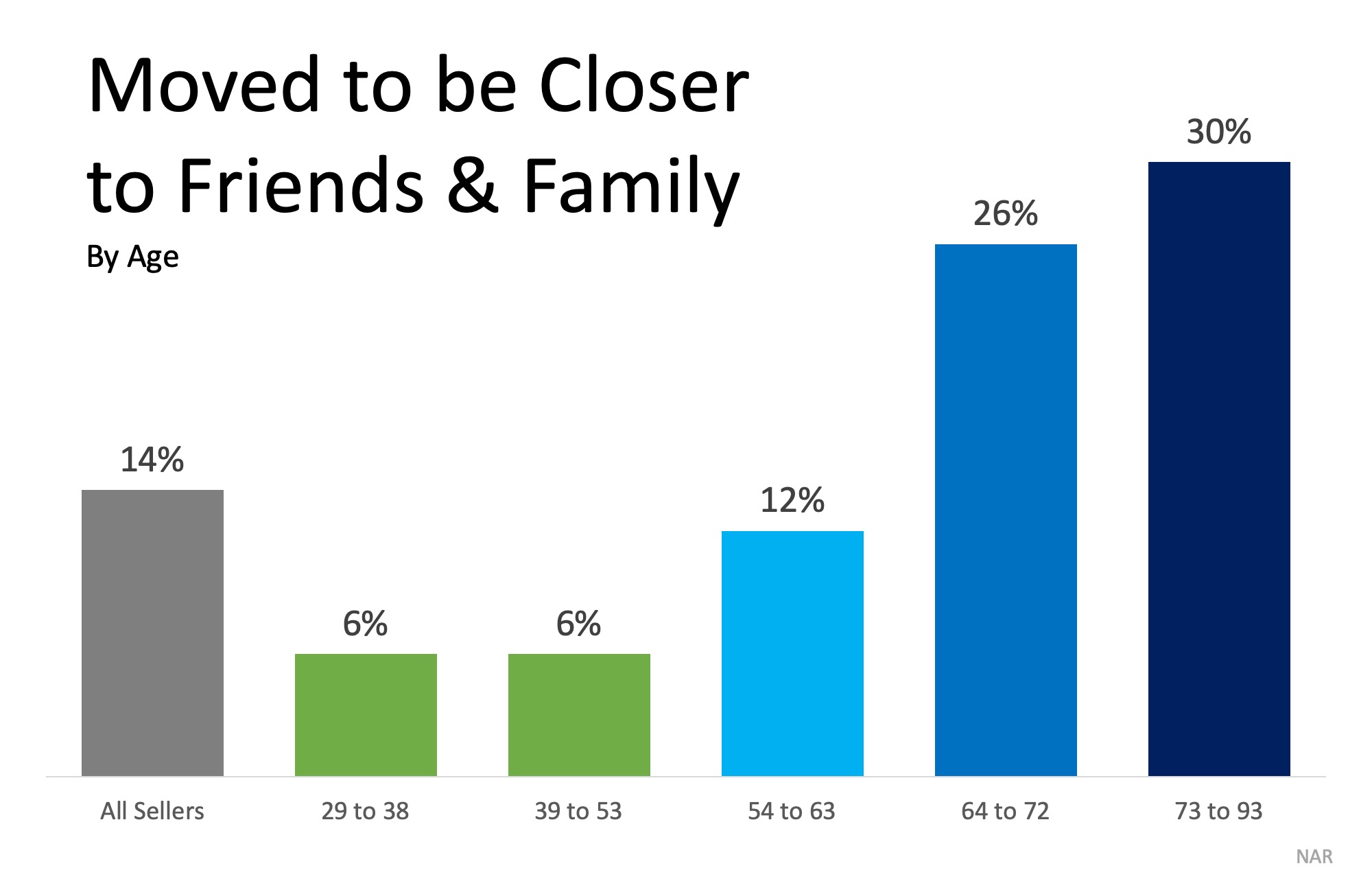
For homeowners over the age of 64, wanting to be closer to friends and family served as the top motivator to move. Downsizing to a smaller home or moving due to retirement came in as a close second and third.

What Would Make You Sell Your House? | MyKCM

Have you outgrown your current house? Are you a homeowner who can relate to wanting to be closer to family and friends? Is your house becoming a burden to clean now that the kids have moved out?

Bottom Line

Let’s get together to set you on the path to selling your current house and finding the home that fits your needs, today!

Posted in Selling
April 16, 2019

What to Consider When Choosing Your Home To Retire In

As more and more baby boomers enter retirement age, the question of whether they should sell their homes and move has become a hot topic. In today’s housing market climate, with low available inventory in the starter and trade-up home categories, it makes sense to evaluate your home’s ability to adapt to your needs in retirement.

According to the National Association of Exclusive Buyers Agents (NAEBA), there are 7 factors that you should consider when choosing your retirement home.

1. Affordability

“It may be easy enough to purchase your home today but think long-term about your monthly costs. Account for property taxes, insurance, HOA fees, utilities – all the things that will be due whether or not you have a mortgage on the property.”

Would moving to a complex with homeowner association fees actually be cheaper than having to hire all the contractors you would need to maintain your home, lawn, etc.? Would your taxes go down significantly if you relocated? What is your monthly income going to be like in retirement?

2. Equity

“If you have equity in your current home, you may be able to apply it to the purchase of your next home. Maintaining a healthy amount of home equity gives you a source of emergency funds to tap, via a home equity loan or reverse mortgage.”

The equity you have in your current home may be enough to purchase your retirement home with little to no mortgage. Homeowners in the US gained an average of over $9,700 in equity last year.

3. Maintenance

“As we age, our tolerance for cleaning gutters, raking leaves and shoveling snow can go right out the window. A condominium with low-maintenance needs can be a literal lifesaver, if your health or physical abilities decline.”

As we mentioned earlier, would a condo with an HOA fee be worth the added peace of mind of not having to do the maintenance work yourself?

4. Security

“Elderly homeowners can be targets for scams or break-ins. Living in a home with security features, such as a manned gate house, resident-only access and a security system can bring peace of mind.”

As scary as that thought may be, any additional security is helpful. An extra set of eyes looking out for you always adds to peace of mind.

5. Pets

“Renting won’t do if the dog can’t come too! The companionship of pets can provide emotional and physical benefits.”

Consider all of your options when it comes to bringing your ‘furever’ friend with you to a new home. Will there be necessary additional deposits if you are renting or in a condo? Is the backyard fenced in? How far are you from your favorite veterinarian?

6. Mobility

“No one wants to picture themselves in a wheelchair or a walker, but the home layout must be able to accommodate limited mobility.”

Sixty is the new 40, right? People are living longer and are more active in retirement, but that doesn’t mean that down the road you won’t need your home to be more accessible. Installing handrails and making sure your hallways and doorways are wide enough may be a good reason to look for a home that was built to accommodate these needs.

7. Convenience

“Is the new home close to the golf course, or to shopping and dining? Do you have amenities within easy walking distance? This can add to home value!”

How close are you to your children and grandchildren? Would relocating to a new area make visits with family easier or more frequent? Beyond being close to your favorite stores and restaurants, there are a lot of factors to consider.

Bottom Line

When it comes to your forever home, evaluating your current house for its ability to adapt with you as you age can be the first step to guaranteeing your comfort in retirement. If after considering all these factors you find yourself curious about your options, let’s get together to evaluate your ability to sell your house in today’s market and get you into your dream retirement home!


Posted in Buying